
Author: petredge
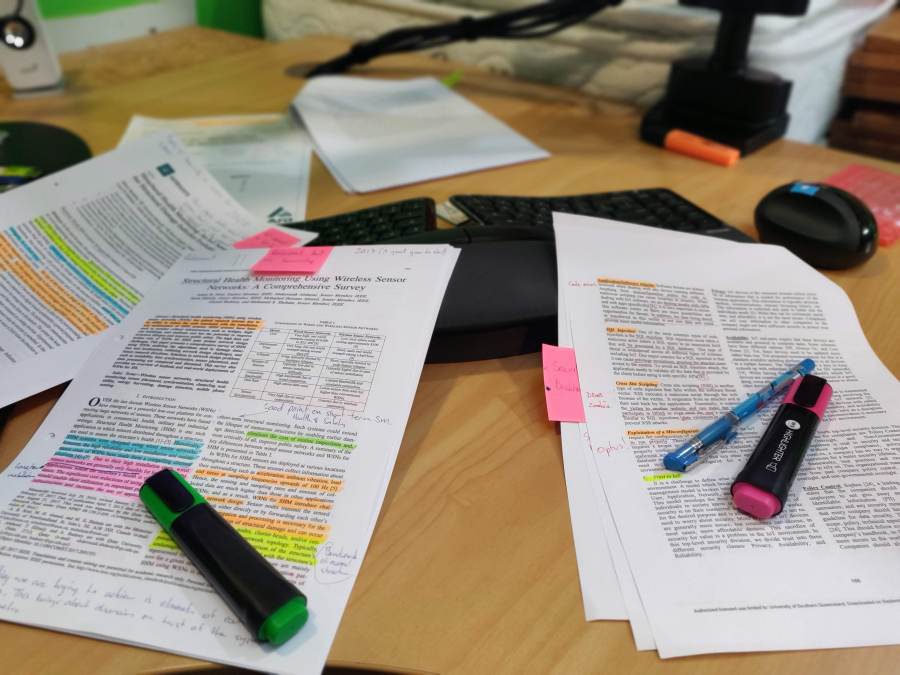
As a doctoral candidate, you might find yourself contemplating when is the best time to publish your research articles. Should you do it before, during, or after completing your PhD thesis? This can be a challenging decision to make, as each approach carries its own set of advantages and considerations. In this blog post, we will explore the different perspectives on this matter and help you navigate through this decision-making process.
Publishing Before Your PhD Thesis
- Visibility and recognition: By publishing your research before completing your PhD, you increase the visibility of your work. It allows you to establish a name for yourself within your field early on, which can be advantageous for your academic career in the long run. Additionally, publishing early may open up opportunities for collaboration and networking with other researchers.
- Feedback and improvement: Submitting articles prior to finishing your thesis provides an opportunity to receive valuable feedback and suggestions from the academic community. This feedback can contribute to the refinement and strengthening of your research methodology or findings.
- Time constraints: On the other hand, publishing before completing your thesis may require extra time and effort, as it demands managing the workload of both your research and the publication process simultaneously. This can potentially prolong the completion of your PhD thesis.
Publishing During Your PhD Thesis
- Integration of findings: Publishing during your PhD thesis allows you to integrate your research findings and achievements into your work more seamlessly. It ensures that your thesis reflects the latest developments within your field, showcasing your ability to produce high-quality research and stay up-to-date.
- Validation of work: Having peer-reviewed publications while working on your thesis adds credibility to your research. It demonstrates that your work has undergone rigorous scrutiny by experts in your field, reinforcing the value and impact of your research.
- Time management: Publishing during your PhD requires effective time management skills to balance writing and preparing articles alongside your thesis work. Proper planning and coordination with your advisor and research collaborators are vital to ensure a smooth workflow.
Publishing After Your PhD Thesis
- Thoroughness and completeness: Waiting until after your PhD thesis to publish can allow you to present a more comprehensive body of work. It provides an opportunity to delve deeper into your research, incorporating additional findings and analysis that might not have been feasible during the limited
This is an example post, originally published as part of Blogging University. Enroll in one of our ten programs, and start your blog right.
You’re going to publish a post today. Don’t worry about how your blog looks. Don’t worry if you haven’t given it a name yet, or you’re feeling overwhelmed. Just click the “New Post” button, and tell us why you’re here.
Why do this?
- Because it gives new readers context. What are you about? Why should they read your blog?
- Because it will help you focus you own ideas about your blog and what you’d like to do with it.
The post can be short or long, a personal intro to your life or a bloggy mission statement, a manifesto for the future or a simple outline of your the types of things you hope to publish.
To help you get started, here are a few questions:
- Why are you blogging publicly, rather than keeping a personal journal?
- What topics do you think you’ll write about?
- Who would you love to connect with via your blog?
- If you blog successfully throughout the next year, what would you hope to have accomplished?
You’re not locked into any of this; one of the wonderful things about blogs is how they constantly evolve as we learn, grow, and interact with one another — but it’s good to know where and why you started, and articulating your goals may just give you a few other post ideas.
Can’t think how to get started? Just write the first thing that pops into your head. Anne Lamott, author of a book on writing we love, says that you need to give yourself permission to write a “crappy first draft”. Anne makes a great point — just start writing, and worry about editing it later.
When you’re ready to publish, give your post three to five tags that describe your blog’s focus — writing, photography, fiction, parenting, food, cars, movies, sports, whatever. These tags will help others who care about your topics find you in the Reader. Make sure one of the tags is “zerotohero,” so other new bloggers can find you, too.
 Thesis Matters